Utah Gout Study
Highland Clinical Research is conducting gout research to investigate a medication for the treatment of patients who are dealing with gout and cardiovascular disease. If you are interested in participating in a gout study in Utah, please read on to learn more or fill-out the form at the bottom of this page.
To meet basic qualifications to participate in our gout study in Utah, you must:
- Have gout
- Have cardiovascular disease, such as heart attack, stroke, diabetes with diabetic complications, or blocked arteries
- Be 50 years old or older
If you qualify, you may receive:
- No-cost health care related to the study
- No-cost investigational medication
- Compensation up to $600 for time and travel
What is Gout?
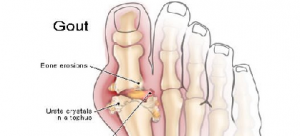
Gout is a form of arthritis that causes abrupt, acute pain, swelling, and inflammation in the joints—often focused on the joint at the base of the big toe. Attacks usually last 5-7 days but chronic gout can lead to joint deformity or the breakout of uric acid-rich nodules on the skin.
Although it can affect anyone, research has shown that men are more likely to suffer from gout. However, women’s likelihood of developing the disorder increases significantly after menopause.
A study published in April of 2014 found that gout has become the most common form of inflammatory arthritis in the U.S. and that it affects about 8 million Americans.
Causes of Gout
Gout is caused by the formation and accumulation of urate crystals in a joint. These crystals can form when your blood contains high levels of uric acid that is not filtered out by the kidneys. This substance forms sharp shards resembling needles, and these needle-esque crystals are what cause the swelling, redness, and pain in the affected joints.
Common Symptoms of Gout
Bouts of gout strike suddenly and without warning, often occurring at night. Symptoms include:
- Intense joint pain that begins to lessen within 12 to 24 hours after it begins.
- Inflammation and redness.
- Prolonged discomfort. Although the intense pain fades within a day or two, the discomfort can continue for days or weeks.
The length of attacks and the number of joints they affect increases with subsequent occurrences.
How are Gout and Heart Disease related?
In 2006, medical research found that even if a man doesn’t have diabetes, isn’t obese and doesn’t drink, having gout means he has an increased chance of having a heart attack. Because gout is caused by high levels of uric acid, clinical researchers suspect that uric acid is a risk factor for cardiovascular disease.
What is Cardiovascular Disease?
Medical problems such as heart attack, stroke, diabetes and blocked arteries are cardiovascular diseases. Many of these are related to atherosclerosis, which occurs when plaque builds up in the arteries and restricts blood flow. Other cardiovascular problems include heart failure, arrhythmia, also known as abnormal heart rate, and heart valve disorders.
The U.S. Centers for Disease Control and Prevention lists heart disease as the leading cause of death for both men and women, amounting to about 600,000 deaths per year.
Causes of Cardiovascular Disease
Clinical researchers in Utah and around the world are working to discover all the reasons for heart disease, but many questions remain. Risk factors, however, are well established and include poor diet and obesity, lack of exercise, genetics, old age and being male. Additional research is underway to determine how things such as high levels of uric acid, air pollution and refined sugar consumption increase risk.
Join the Anti-Gout Effort
If you are over fifty and suffering from both gout and a serious cardiovascular disease, your risk of stroke, heart attacks and premature death is high. You can help to find solutions for yourself and for the broader scientific community by enrolling as a study participant in a Utah gout study.