Atrial Fibrillation Clinical Research Trials in Utah
We are conducting atrial fibrillation (Afib) clinical research trials in Utah for people who have been newly diagnosed with atrial fibrillation. This research is called a registry study, meaning that we won’t be offering any medications or placebos. It also means the study-related risk to your health is minimal. Instead, we will simply collect information about your condition, and you will be compensated for time and travel expenses. You don’t need separate health insurance to participate.
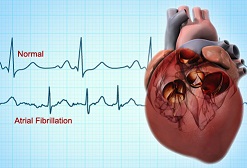 What is Atrial Fibrillation?
Atrial fibrillation is an irregular—and often rapid—heart beat that leads to symptoms that include heart palpitations, weakness, and shortness of breath. The condition is caused by a disparity between the beating rhythm of the upper and lower chambers of the heart. Atrial fibrillation occurs when the atrial (upper) chambers of the heart beat chaotically and are out of sync with the lower chambers of the heart, called ventricles.
Atrial fibrillation can be either an intermittent or chronic condition. It’s important to work closely with medical professionals after being diagnosed, because Afib can be a frightening sign of other serious health problems. Studies such as this Utah clinical trial are helping medical researchers understand it better.
Causes
An abnormality in the structure of the heart is the most common cause of atrial fibrillation. Its causes aren’t always known, but Afib can be triggered by or exacerbated by the following medical conditions:
- Abnormal heart valve
- Congenital heart defect
- Heart surgery
- Heart attack
- High blood pressure
- Sleep apnea
- Overactive thyroid gland or other metabolic inequity
- Exposure to stimulants, such as medications, caffeine, or tobacco
- Alcohol use
- Emphysema or other lung diseases
- Stress due to pneumonia, surgery, or other illness
- Viral infection
Common Symptoms of Atrial Fibrillation
Atrial fibrillation may or may not be accompanied by physical symptoms, so it is not uncommon for people to be unaware of having the condition until a doctor discovers it—often during a routine physical examination. People who show symptoms of atrial fibrillation may exhibit:
- Palpitations, or a racing, irregular heartbeat
- Decreased blood pressure
- Lightheadedness
- Chest pain
- Shortness of breath
- Confusion
- Weakness
The American College of Cardiology and the American Heart Association divide atrial fibrillation cases into four categories:
- First detected, for people with only one diagnosed heart fluttering episode
- Paroxysmal, for recurrent episodes that stop in seven days without intervention
- Persistent, for recurrent episodes that don’t stop for more than one week
- Permanent, for ongoing and long-term episodes
Doctors agree that people diagnosed with atrial fibrillation are five to seven times more likely to get blood clots and to have strokes. Furthermore, the latest research shows that Afib could be the cause of up to one quarter of all ischemic strokes , which occur when blood supply to a part of the brain is blocked.
If you have been recently diagnosed, however, know that atrial fibrillation isn’t always life threatening. You might never have complications, but you can help us reduce the suffering of people who do, and can earn compensation for your efforts.
To Qualify for Participation in the Afib Clinical Research Trials in Utah, You Must:
- Have been diagnosed with non-valvular atrial fibrillation in the last three months.
- Have not taken the blood clot-reducing medicine Coumadin, also known as Warfarin, for more than two months in your lifetime.
- Be 18 years old or older.
If you qualify to participate in this clinical research trial, you may receive:
- No-cost health care related to the study.
- Compensation for time and travel expenses related to the study.
If you are interested in participating in our clinical research trial investigating atrial fibrillation, please register using the form below.